January 15, 2026
When embarking on a construction project—whether residential, commercial, or mixed-use—the decision to hire the right general contractor can shape every aspect of the outcome. A general contractor serves as the central figure who brings together planning, design, labor, materials, and compliance into one coordinated effort. Without this leadership, even well-funded projects can experience delays, budget overruns, and quality issues. For property owners and developers, understanding what a general contractor actually does is just as important as knowing how to compare bids or timelines.
General contracting services extend far beyond basic construction oversight. Today’s contractors often function as strategic partners who help guide projects from concept to completion, balancing creative vision with practical constraints. From managing subcontractors and navigating regulatory requirements to integrating sustainable design practices and ensuring workmanship quality, general contractors play a multifaceted role. Evaluating these services individually allows clients to identify contractors whose expertise aligns with their project’s scope, complexity, and long-term goals.
By breaking down key general contracting services—project management, design services, and construction execution—you gain a clearer picture of what to expect and what questions to ask during the hiring process. This knowledge empowers you to select a contractor who not only completes the project but delivers lasting value, efficiency, and peace of mind.
1. Project Management
Project management is a foundational service that general contractors offer, essential for the coherent execution of any construction project. A competent general contractor will provide robust planning and scheduling, mapping out each phase with timelines that facilitate coordination and resource management. Not only does effective project management ensure that each stage progresses smoothly, but it also provides transparency and accountability throughout the project's lifespan. By establishing concrete deliverables and deadlines, the contractor ensures that the project meets industry standards and regulatory guidelines. This structured oversight is crucial in dealing with complex projects that involve multiple subcontractors and specialists.
Resource allocation is another critical aspect of project management, involving the strategic deployment of materials, labor, and time. A highly capable general contractor will possess the expertise to efficiently manage resources, ensuring that material wastage is minimized while labor productivity is maximized. This efficiency can significantly reduce project costs and prevent delays, ultimately leading to successful project completion. Effective allocation also involves anticipating potential challenges such as supply chain disruptions or workforce shortages. Preparing for these scenarios through contingency planning can be the difference between a project that runs smoothly and one that faces continual setbacks.
Risk management is integral to the security and efficiency of a construction project. Proactive risk assessment allows contractors to identify potential risks early and devise strategies to mitigate them. By employing risk management tools, contractors can safeguard the project against unforeseeable setbacks such as inclement weather or unplanned site conditions. Regular risk assessments help in refining project objectives and timelines, ensuring minimal impact from external or internal disruptions. Thus, through meticulous risk management, general contracting services enhance project resilience, which can be particularly beneficial in large-scale endeavors involving significant financial investments.
2. Design Services
In addition to project management, design services are a vital aspect of what a general contractor can offer. Architectural design is a core component that shapes the project's structural framework, aesthetics, and functionality. Collaborating with skilled architects, general contracting services are able to transform client visions into tangible blueprints that align with industry standards and regulatory requirements. This collaboration frequently begins in the pre-construction phase, where iterative design reviews ensure that the final product is both innovative and practical. Effective architectural design is not only about visual appeal but also encompasses the integrity and safety of the construction.
Interior design services provided by general contracting services help ensure that the inside of a building meets all functional needs while maintaining aesthetic harmony with the architectural vision. Through an understanding of space optimization, flow management, and material selection, contractors can significantly enhance the interior experience. This process often involves detailed consultations with clients to align the design with their specific tastes and requirements. In doing so, contractors employ computer-aided design tools to preview proposed spatial layouts and designs, allowing for feedback and modifications before implementation. The ultimate aim is to achieve a cohesive atmosphere that complements the building's overall design ethos.
Landscape design is a service that shouldn't be overlooked, as it plays a substantial role in the overall environmental planning of a construction project. By integrating natural elements with built structures, contractors can create outdoor spaces that contribute to the property's aesthetic and functional value. Landscape design often encompasses the selection of suitable plants, the development of efficient irrigation systems, and the incorporation of sustainable design features. Sustainable design solutions, a growing trend in the construction industry, emphasize minimizing environmental impact through energy-efficient systems and eco-friendly materials. According to Construction Coverage, 1.6 million homes were built in 2024, underscoring the increasing demand for sustainable practices in new builds.
3. Construction Services
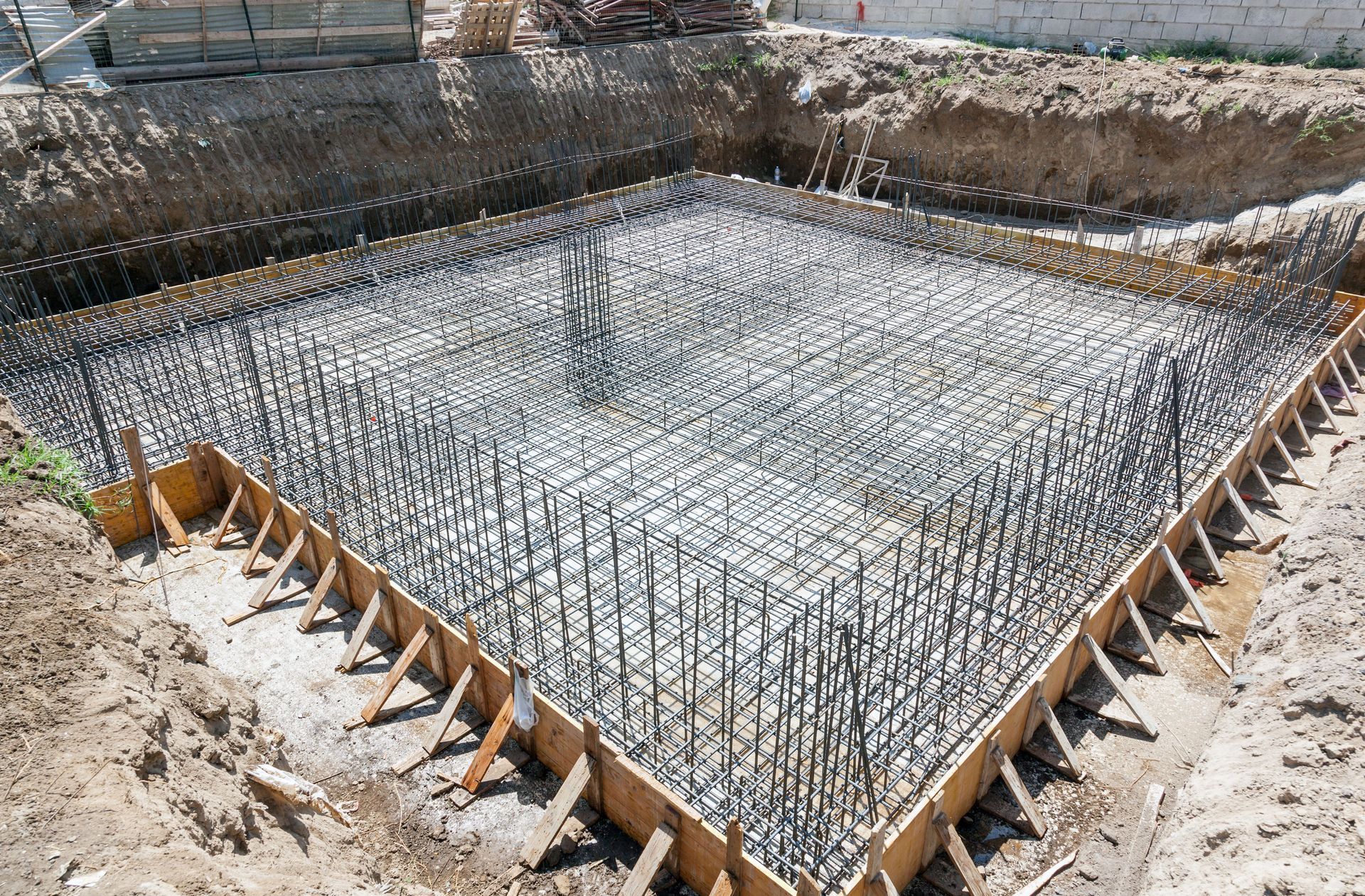
Construction services encompass a wide range of activities, starting with site preparation, which is essential for clearing and leveling the ground where a building will be erected. General contractors coordinate soil testing, clearing existing vegetation or structures, and grading the site to ensure it meets design specifications. Site preparation often includes foundational excavation, draining, and installation of initial utilities, such as water and electric lines. Contractors oversee these steps to ensure compliance with local building codes and secure all necessary permits before commencing further construction work. Proper site preparation is crucial as it lays the groundwork for all subsequent phases of construction, influencing the project's overall quality and longevity.
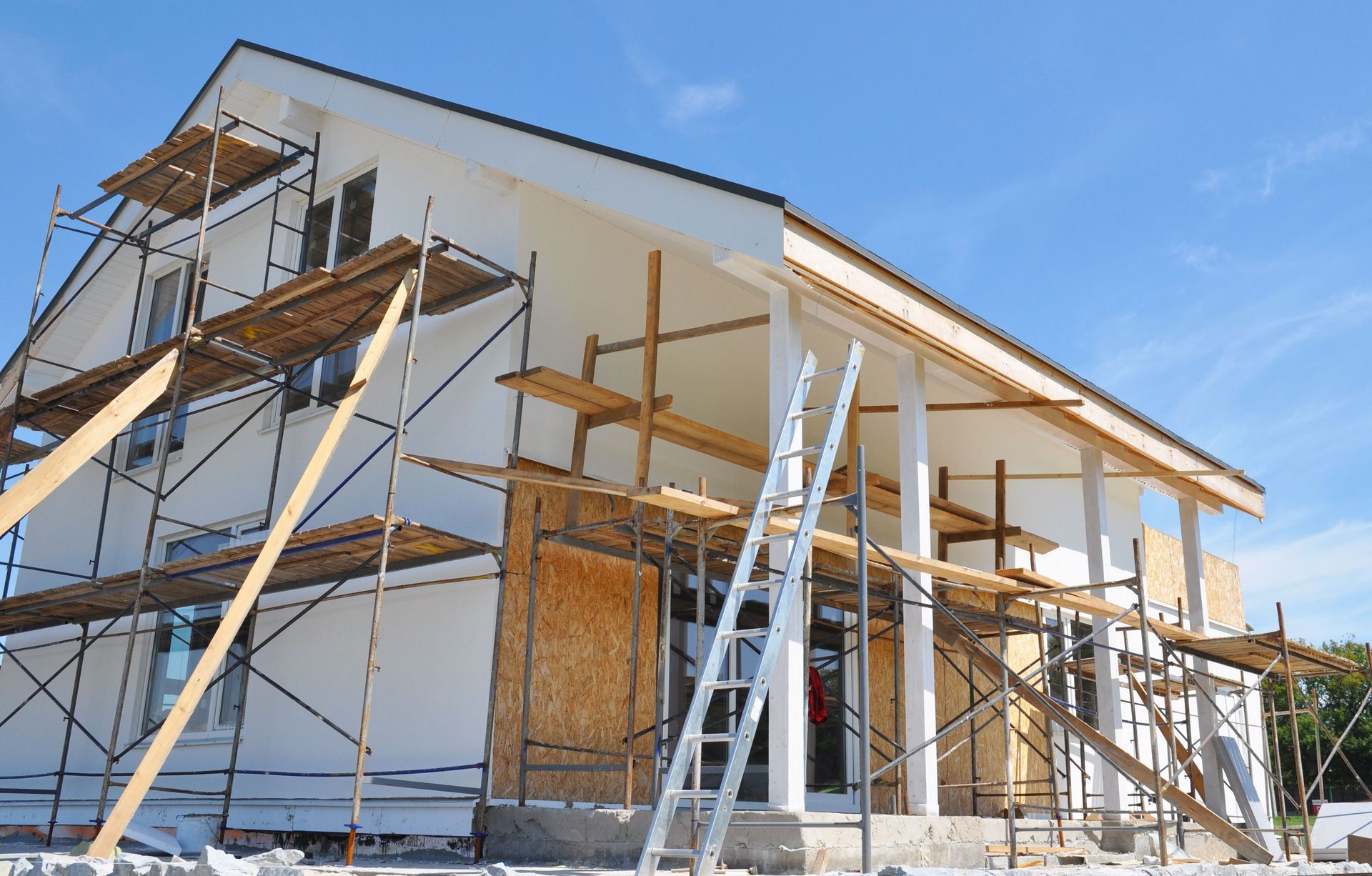
Structural construction follows site preparation and involves the actual building of the framework and core systems of a project. At this stage, the general contractor manages the erection of load-bearing elements using steel, concrete, or wood components, depending on the project requirements. Efficient management of mechanical and electrical installations is vital, as these systems must be accurately integrated into the structure. This includes installing crucial components such as electrical wiring, plumbing systems, HVAC ducts, and drainage systems. Contractors coordinate with specialized subcontractors for the precise installation of these systems to optimize functionality and ensure reliability within the building's operational lifespan.
Finishing and detailing mark the final touches of the construction process, focusing on enhancing the property's aesthetic appeal and usability. This phase involves a wide range of tasks, including painting, flooring installation, cabinetry, lighting fixtures, and other interior elements. The quality of work performed during this stage significantly impacts the property's final appearance, making attention to detail paramount. General contracting services assess various options for materials and finishes, considering factors such as durability, maintenance needs, budget, and aesthetic preferences. By aligning these elements with the initial design plan, contractors can deliver a polished finish that meets client expectations and elevates the overall design integrity of the project.
Choosing a general contractor is one of the most consequential decisions in any construction project, as their expertise directly affects quality, efficiency, and overall success. By understanding the core services a general contractor provides, property owners can move beyond surface-level comparisons and focus on long-term value. Strong project management ensures that timelines, budgets, and expectations remain aligned, even when unforeseen challenges arise. Design services further enhance this value by translating ideas into functional, code-compliant plans that balance aesthetics with practicality. When design and execution work in harmony, the result is a smoother build process and fewer costly revisions. Contact the professionals at Dark Horse General Contracting to learn more about general contracting services .